Financing Options
 Call Us
Hail damage, high winds, and falling branches can hurt a roof in…
 9 Minute Read
 Posted 9.15.26
9 Minute Read
Posted 9.15.26
Wisconsin winters are hard on every part of a home, but few areas take as much punishment as the roof overhead. Waiting until snow and ice arrive to deal with a failing roof almost always turns a manageable project into an emergency, which is why knowing the signs you need a new roof ahead of the season matters so much. For homeowners in Hartford and surrounding areas, a quick check now can mean the difference between a planned replacement and a stressful mid-January call when something finally gives out overhead.
A quick rundown of what’s ahead:
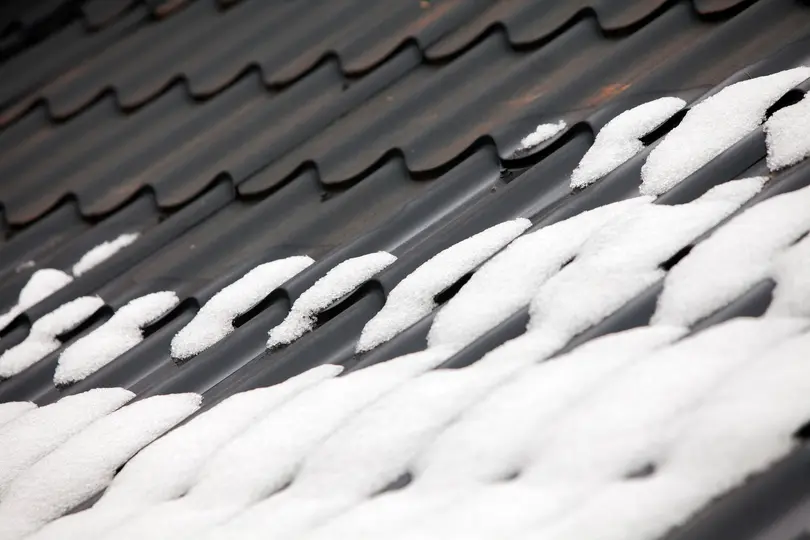
Roof problems rarely announce themselves all at once, and by the time a roof leak shows up inside the house, the damage has usually been building for months, often well before the roof reaches its expected lifespan. Getting ahead of the issue before winter arrives gives homeowners more control over the timeline, the cost, and the contractor they choose, instead of scrambling once freezing temperatures and snow make repairs far more difficult.
According to guidance from Angi, many of the clearest warning signs can be spotted from the ground with a simple visual check, which makes early detection more accessible than most homeowners realize. Taking twenty minutes to walk around the exterior of the house before the first snowfall can add years to a roof’s life while saving thousands of dollars and a lot of stress once the season actually arrives.
Not every roofing issue is obvious from the driveway, but there are consistent warning signs that show up again and again before a roof fails. Below are seven of the most common indicators that it’s time to start planning for a replacement rather than another round of patchwork repairs.
Most asphalt shingle roofs are built to last between twenty and thirty years, and once a roof crosses that threshold, the materials underneath are often more worn than they appear from the street. Even an old roof that looks fine from a distance may already be losing flexibility, since an aging roofing system often starts breaking down at the roof deck before problems become visible outside.
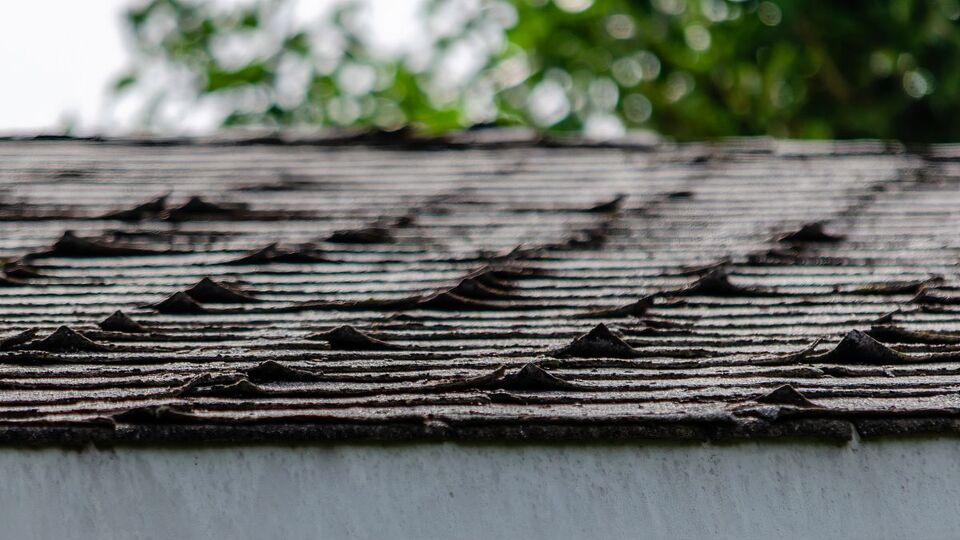
Shingles that curl at the edges, crack across the surface, or go missing entirely are a clear sign the material is failing. Curling shingles and cracked shingles often show up together, especially on existing shingles nearing the end of their run, and a roof with multiple damaged shingles is far more likely to develop leaks once snow and ice settle in for the season.
Asphalt shingles are coated with protective granules that shed naturally over time, but a heavy buildup in the gutters is a sign the shingles are wearing out faster than expected. Bald or shiny patches on the shingles themselves are often visible once enough granules have washed away, and this same wear can show up nearby as dark streaks from algae growth or patches of moss growth in shaded areas of the roof.
A quick trip to the attic on a sunny day can reveal one of the most visible signs of roof trouble. If daylight is visible through the roof boards, it usually points to underlying damage serious enough to let in more than just light, including cold air, moisture, and eventually snowmelt.
A visibly sagging roofline almost always points to a structural problem rather than a simple surface issue, and it’s often an early warning of roof failure if left unaddressed. This usually means the decking has absorbed moisture and weakened, and it’s one of the few signs that should prompt an inspection right away. Homeowners who want a closer look themselves should use proper safety equipment, since a compromised roofline can be more fragile than it appears.
A single leak that gets repaired and stays fixed is one thing, but roof leaks that return after repairs or show up in new locations are a sign the underlayment has failed in more than one place. Damaged flashing around chimneys and vents is a common culprit, and addressing it early can help prevent roof leaks from spreading further. Chasing repeated water leaks room by room is usually far more expensive than addressing the roof as a whole.
Ice dams that build up along the roof’s edge year after year are often a sign of poor insulation, inadequate ventilation, or an aging roof surface that no longer sheds heat and moisture the way it should. Left unaddressed, these dams can force water backward under shingles, leading to interior leaks that show up long after the snow has melted. Homes with metal roofs tend to shed snow and ice more effectively than traditional shingles, which is worth considering if ice dams have been a recurring problem.
Seeing even one or two of these roof signs is worth a closer look, and finding several at once, especially curling or missing shingles alongside sagging or leaks, is a strong signal that repair alone won’t carry the roof through another Wisconsin winter. A professional roof inspection from an experienced roofing professional is the most reliable way to know for certain which category a roof falls into before the weather turns.
A thorough inspection before the season changes is the single best way to avoid surprises once snow and ice set in. Rather than guessing based on age or a quick glance from the ground, a proper inspection walks through every part of the roof system that tends to fail first.
A complimentary inspection typically takes less than an hour and can usually be scheduled quickly, often the same day a homeowner calls. A trained roof inspector walks the entire roofline, giving homeowners a clear picture before winter weather arrives. Getting this done in early fall, before Hartford and surrounding areas see their first hard freeze, gives homeowners enough time to plan a replacement on their own schedule rather than being forced into a rushed decision mid-storm.
Once a few warning signs show up, the next decision is whether a partial repair will hold or whether a full replacement makes more sense before the cold weather arrives. This choice usually comes down to the extent of the damage and how much life realistically remains in the current roof.
| Situation | Better Option |
| One or two isolated issues on a younger roof | Targeted repair |
| Multiple signs present at once | Full replacement |
| Roof is nearing or past 20 years old | Full replacement |
| Damage limited to a small, contained area | Targeted repair |
| Recurring leaks in different locations | Full replacement |
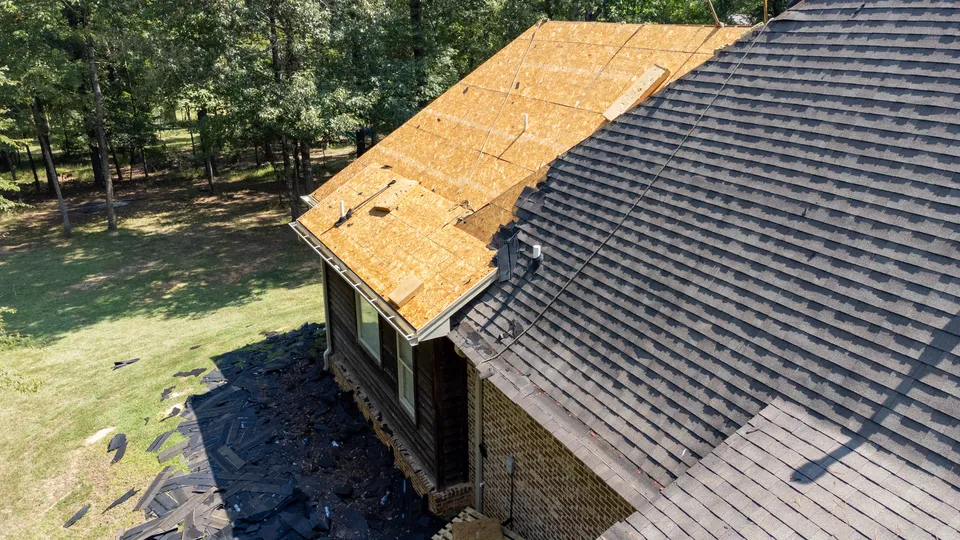
Choosing correctly here matters more before winter than at any other time of year, since a repair that fails mid-season is far harder to address quickly. Getting the whole roof replaced at once is often more cost effective than a series of repairs on an aging system, and a full replacement before the first snowfall also comes with manufacturer and workmanship warranties backing the work. If storm damage played a role, working with your insurance company early can help offset the cost.
A few questions come up often once homeowners start noticing potential warning signs on their own roof. Here are straightforward answers to the most common ones.
If you’re seeing multiple warning signs, such as sagging, recurring leaks, or heavy granule loss, it’s worth addressing before the first snowfall rather than waiting until spring, when the same issue could mean far more expensive repairs.
Yes, though shingles seal best in milder temperatures. Scheduling a replacement in fall generally gives better results than waiting until the coldest months of winter.
Ignored roofing issues typically worsen through the winter as freeze-thaw cycles and ice dams put additional stress on already weakened materials, often leading to interior water stains, peeling paint, and more extensive damage than the original problem.
Many roofing companies, including ours, offer complimentary inspections, so there’s no upfront cost to find out where your roof actually stands.
It depends on the cause of the damage. Storm and hail-related issues are commonly covered, which is why documentation from a professional inspection matters when filing a claim.
Every one of these warning signs is easier and less expensive to address before winter than after. True North Roofing offers complimentary inspections, regular maintenance guidance, and straightforward recommendations, so homeowners in Hartford and surrounding areas can make an informed decision about roof replacement on their own timeline instead of waiting for a mid-winter emergency. If any of these signs sound familiar, contact us today and we’ll help you get ahead of the season.