Financing Options
 Call Us
A new roof installation is a big project, and not knowing what…
 9 Minute Read
 Posted 10.27.26
9 Minute Read
Posted 10.27.26
Hail damage, high winds, and falling branches can hurt a roof in a matter of minutes, and the shingles you choose make a big difference in how well it holds up. Class 4 shingles carry the highest impact-resistance rating available, which is why many homeowners consider them when installing a new roof. Keep in mind that Class 4 is an impact-resistance rating, not a roofing material category. For homeowners in De Pere and surrounding areas, understanding what that rating means can help you decide what belongs on your roof before you commit.
Here’s a quick look at what we’ll cover:
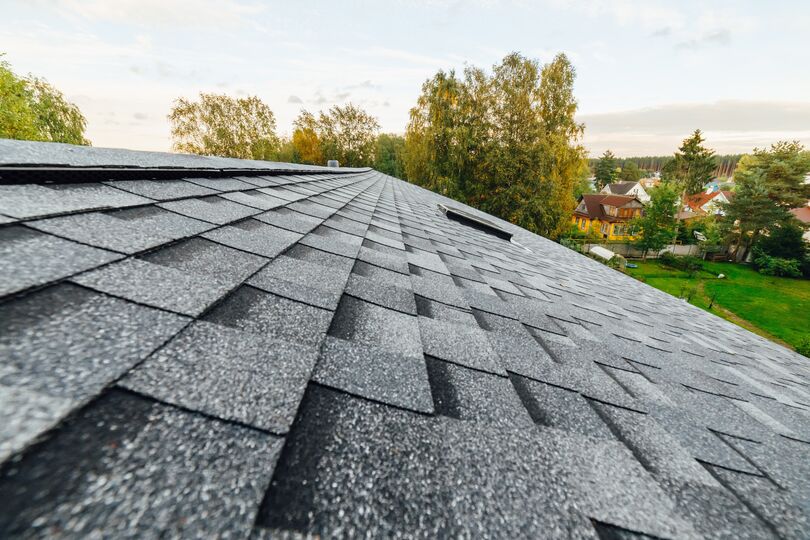
Most homeowners pick shingles based on color and price, but impact resistance quietly determines how your roof handles the worst weather of the year. It is easy to overlook until a storm exposes the difference. Wisconsin sees severe summer storms, hail, and wind, and a roof that cracks or loses granules after a hit can lead to leaks and early replacement. Choosing a shingle with a higher impact rating is one way to improve your odds against harsh weather and costly repairs before the next storm arrives.
According to Angi’s look at impact-resistant shingles, these shingles often cost more than regular asphalt shingles but tend to be worth the investment in areas prone to severe weather events. That balance between higher upfront cost and long-term protection is the core question behind this upgrade. Looking at the numbers and your own situation is the best way to answer it.
Class 4 shingles are engineered to take more punishment than standard asphalt shingles. Here are the main reasons they appeal to homeowners, especially in regions with unpredictable weather.
Class 4 is the highest rating under the UL 2218 test, where a steel ball is dropped onto the shingle to simulate hail. To earn the rating, a shingle must withstand impacts without cracking, which is a tougher standard than lower classes. Class 1 shingles offer the least protection against hail damage, while Class 3 shingles resist hailstones up to 1¾ inches, and Class 4 shingles can withstand hailstones up to 2 inches in diameter. That makes Class 4 the top tier for homeowners who want superior protection from hail impact and debris.
Standard shingles often last 20 to 30 years, while Class 4 shingles are commonly rated for 30 to 50 years depending on the product and installation, and many come with warranties of up to 50 years. That enhanced durability can reduce roof maintenance over time. That longer lifespan can mean one fewer roof replacement over the time you own your home, which adds up when you consider the cost of tear-off and installation.
Many insurance providers offer premium discounts for roofs with Class 4 shingles, and in some cases the savings can reach up to 33 percent, though amounts vary widely by company and state. Lower insurance premiums can help offset the higher price, so it is smart to ask your carrier what documentation they require before you buy.
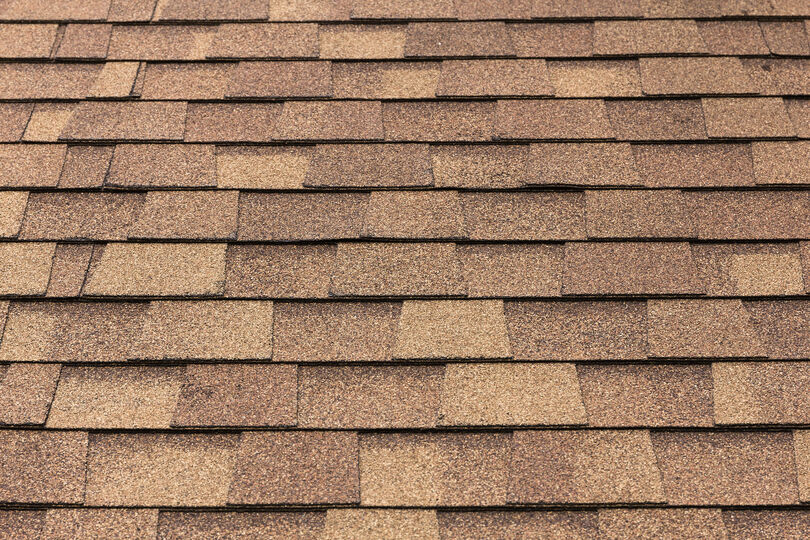
Many Class 4 shingles are also rated to resist strong winds, which helps in a state that sees severe thunderstorms. Proper installation is just as important as the product itself, since even the toughest shingle can underperform if it is not fastened correctly.
Because they resist cracking and granule loss, Class 4 shingles can reduce the chances of needing repairs or a full replacement after a single storm. If storm damage does happen, we help with insurance claims by documenting the damage and working with you and your adjuster.
A roof with a documented impact rating can be an appealing feature to future buyers, since it signals added durability and protection. Having the paperwork on hand makes that benefit easy to show when it is time to sell.
Looking at all six reasons together, it becomes clear why many homeowners see Class 4 as a smart long-term investment. Whether it makes sense for you depends on your budget, your plans for the home, and how much weather risk you face. Talking through those factors with a roofing professional keeps the decision grounded in your real situation instead of a general rule of thumb.
Understanding the rating system helps you compare products and ask better questions. The standard behind the Class 4 label is a laboratory test, not a marketing claim.
Under UL 2218, steel balls of increasing size are dropped from about 20 feet onto the shingle to simulate hail impact. Class 4 shingles are tested with the largest ball, about two inches in diameter, and must resist cracking afterward. This rigorous testing is what separates a true Class 4 product from a marketing claim.
Many impact-resistant shingles use polymer-modified asphalt, composite shingles, or other advanced materials with reinforced backing that flex under pressure instead of cracking. That flexibility is what helps them absorb a hit and keep protecting the roof deck below. The added material can also make the shingles heavier and a little stiffer to work with, so a structural assessment may be worthwhile, and experienced installation matters.
If you hope to qualify for an insurance discount, you will usually need written proof that the product carries a Class 4 rating. Keep the manufacturer’s paperwork and your invoice together after installation, so you can send them to your insurer quickly if they ask.
Not every shingle on a store shelf carries this rating, so it pays to confirm the details with your contractor. Asking for the product name and its impact classification upfront keeps everyone on the same page. We install CertainTeed asphalt shingles, and CertainTeed offers Class 4 options with ClimateFlex technology. Other manufacturers, including Owens Corning, GAF, IKO, and Malarkey, also make Class 4 lines, and we are happy to walk you through which options carry an impact rating.
The biggest hesitation for most homeowners is cost, since Class 4 shingles typically add 10 to 30 percent to the material price, and a Class 4 roof often runs roughly $4,960 to $8,950 depending on roof size and installation costs. Class 3 shingles can be a solid middle ground if you want better protection without the full initial investment. A side-by-side look makes it easier to judge whether the extra spending is likely to pay off through long term cost savings and lower maintenance costs.
| Factor | Standard Shingles | Class 4 Shingles |
| Upfront cost | Lower | Higher |
| Typical lifespan | 20 to 30 years | 30 to 50 years |
| Impact resistance | Basic | Highest rating |
| Insurance discount | Rare | Possible, varies by carrier |
| Repair frequency | Higher after storms | Lower after storms |
For many homeowners, the numbers work out best when you plan to stay in your home for years, live in an area with frequent storms, or have an insurer that offers a meaningful discount. If you may move soon or your budget is tight, quality standard shingles can still serve you well, and we offer financing through Wisetack to help make a larger project more manageable. Homeowners in De Pere and surrounding areas often weigh these tradeoffs alongside warranty coverage, and our installations carry CertainTeed 3-Star and 4-Star warranties as well as our own 15-Year Workmanship Warranty.
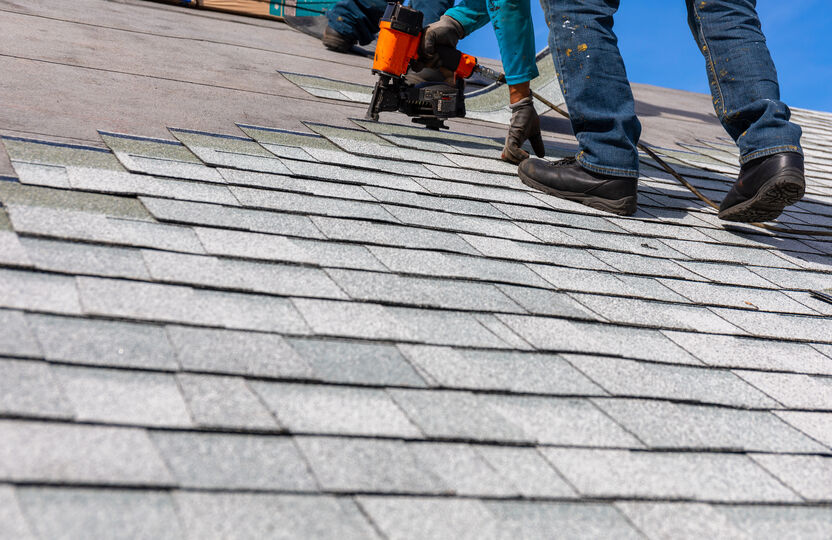
Homeowners tend to have a handful of practical questions before choosing impact-resistant shingles. Here are clear answers to some of the most common ones.
No roof is completely hail-proof, and that is true for every material. Class 4 shingles are built to resist damage far better than standard options, but extremely severe storms can still cause wear.
Yes, they typically cost more up front than standard shingles. The higher price can be offset over time by fewer repairs and possible insurance savings.
It depends on your carrier and policy. Ask your insurer what rating they require and what proof they need before you decide.
Most look similar to architectural shingles, so you can choose a style and color you like without giving up curb appeal. The difference is in how they are built, not how they look from the street.
For many homeowners, yes, especially if you plan to stay long term, live in an area with frequent hailstorms, and want extra protection from severe weather conditions.
Every roof and every budget is different, so the best answer comes from looking at your specific home. A short conversation with a roofing professional can help you decide whether the upgrade makes sense. It also gives you a chance to ask about timing, warranties, and what to expect during installation.
Choosing the right shingles is easier when you have a clear explanation of your options and no pressure. True North Roofing offers a complimentary roof inspection or estimate, and we also help homeowners in De Pere and surrounding areas with insurance claims after storm damage. If you’re weighing your options, contact us today and we’ll walk you through what makes sense for your home.