Financing Options
 Call Us
Hail damage, high winds, and falling branches can hurt a roof in…
 9 Minute Read
 Posted 9.22.26
Fall is the last stretch of mild weather before Wisconsin winters take over, which makes it the ideal window to get ahead of small roofing issues before they turn into expensive winter emergencies. A little fall roof maintenance now can mean the difference between a quiet, dry winter and a scramble to find a contractor during the first big snowstorm, when schedules fill up fast and temperatures make repairs harder to do well. For homeowners in Jackson and surrounding areas, building a simple checklist into their regular roof maintenance each October is one of the easiest ways to protect what’s overhead before the weather turns.
Here’s the short version of what’s covered below:
Roofs take a beating all year, but summer heat and fall storms often leave behind roof damage that isn’t obvious from the ground. Addressing small issues now, while temperatures are still mild enough for repairs to seal properly, gives homeowners a real head start before freezing temperatures and winter storms make everything harder and more expensive.
According to Bob Vila’s seasonal home maintenance guidance, fall is widely considered the best window to catch roofing issues, since the moderate weather makes both inspection and repair work far more manageable than doing the same tasks in the middle of winter. Building a simple routine now sets the tone for how the rest of the season goes, rather than leaving everything to chance once the first snow falls.
Not every item on a fall roof checklist requires climbing a ladder, and knowing which tasks matter most for the roof system as a whole helps homeowners prioritize their time before the weather turns. Below is a straightforward, step-by-step breakdown of what to check and why each step matters.
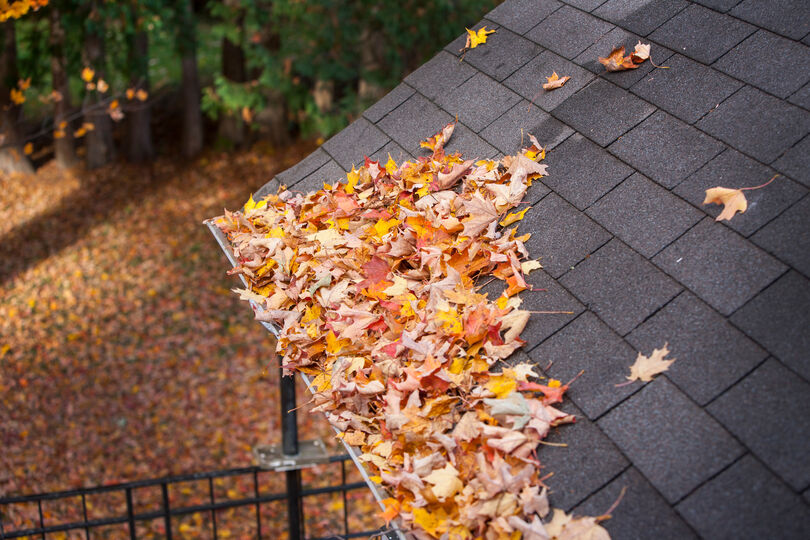
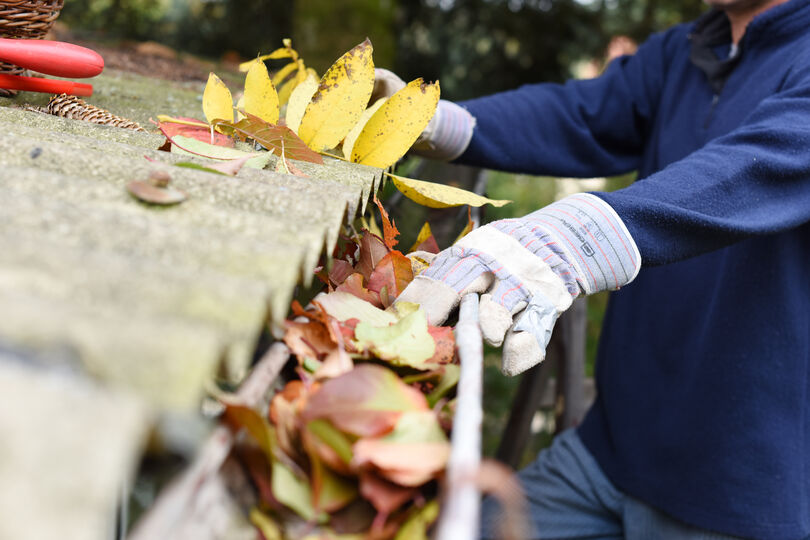
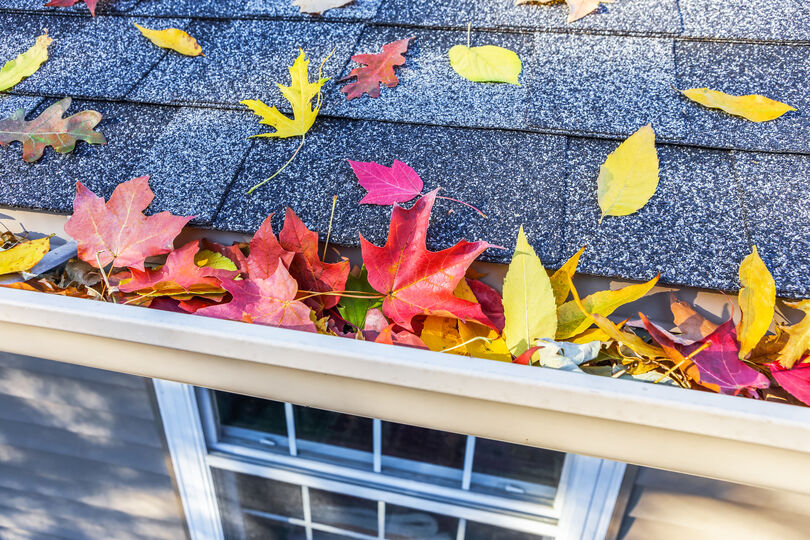
Clogged gutters are one of the most common causes of fall roof problems, since leaves and debris trap water against the roofline instead of allowing proper drainage. Clearing the gutter system by hand or flushing it with a garden hose, and confirming downspouts direct water away from the foundation, takes about an hour and prevents a much bigger headache later. This kind of gutter maintenance is one of the simplest, most effective tasks on the entire checklist.
Nearby tree branches hanging over the roof drop leaves and debris all fall, which speeds up gutter clogs and increases the risk of damage during high winds. Trimming tree branches back several feet from the roofline reduces both of these risks and keeps squirrels and other wildlife from using tree limbs as an entry point.
A visual inspection of an asphalt shingle roof, done safely from the ground or with binoculars, can reveal curling shingle edges, cracking, or missing or damaged shingles before they turn into leaks. Loose shingles are often easiest to spot where the roof’s surface catches direct sunlight. Homes with tile roofs or metal panels have their own wear patterns, but asphalt shingles remain the most common material in Wisconsin and the easiest to check from the ground. Catching this kind of damage in fall gives homeowners time to schedule repairs before cold weather makes the work more difficult, avoiding the higher costs that often come with emergency winter repairs.
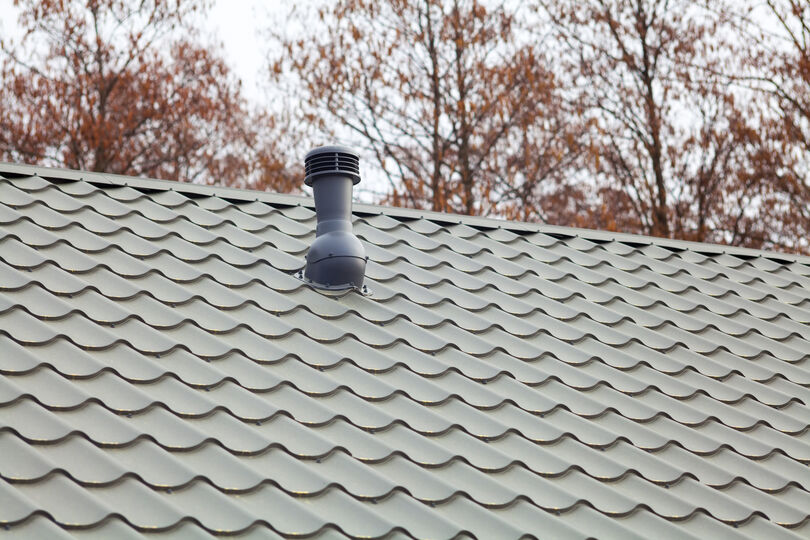
Flashing is one of the most common places for leaks to start, since it seals roof penetrations like chimneys, vent pipes, and skylights, along with the roof valleys where two roof planes meet. Water naturally concentrates wherever roof planes meet, which makes these areas more vulnerable after storm damage or ordinary wear. Loose, rusted, or cracked flashing should be addressed before fall rains and winter snow have a chance to find their way underneath.
Moss and algae growth tend to show up in shaded, damp areas of the roof and can gradually damage roofing materials if left unaddressed. Dark algae stains are often the first visible clue, since areas that trap moisture give algae and moss the conditions they need to spread. Fall is a good time to check for early growth, since treating it now prevents it from spreading further during the wetter months ahead.
A quick trip to the attic can reveal problems that aren’t visible from outside the house, including water stains, damp insulation, or visible gaps where daylight comes through the roof deck. Attic spaces are also one of the first places an active leak tends to show up, often well before any sign appears on the roof’s surface itself. If climbing into the attic isn’t practical, even a look from an upstairs window can sometimes reveal sagging or discoloration worth investigating. These signs often point to issues that need attention before winter moisture makes them worse, and catching them early usually means a simple repair instead of structural damage and a larger project once temperatures drop.
Proper attic ventilation, including soffit and ridge vents working together, keeps warm air from building up under the roof, which helps prevent uneven snowmelt and the ice dams that often form along the roof edge. Poor ventilation allows heat buildup to linger under the decking, which accelerates wear on shingles from underneath even when everything looks fine outside. Blocked or insufficient vents are an easy fix in fall but become a much bigger problem once snow is already sitting on the roof.
Even a thorough DIY checklist can miss issues that require a trained eye, which is why a professional fall inspection rounds out a solid routine. A complimentary inspection typically takes under an hour and gives homeowners a clear, documented picture of exactly where their roof stands heading into winter, including areas like flashing and ventilation that are difficult to evaluate safely from the ground. Working with an experienced roofing contractor also means any repairs identified during the visit are done to current standards.
Working through this checklist step by step gives most homeowners a realistic picture of their roof’s condition without needing to guess. Once the list is complete, any issues that came up can be addressed on a normal schedule instead of turning into a rushed, weather-dependent repair later in the season.
Not every item on a fall roof checklist carries the same level of risk, and knowing where to draw the line keeps homeowners safe while still getting the important work done. Some tasks are perfectly reasonable to handle from the ground or with basic tools, while others affect the structural integrity of the roof and are best left to someone with the right training, equipment, and experience working at height in changing weather conditions.
| Task | Best Handled By |
| Clearing debris from gutters | Homeowner, with proper ladder safety |
| Trimming overhanging branches | Homeowner or a tree service |
| Visual shingle inspection from the ground | Homeowner |
| Climbing on the roof to inspect flashing | Roofing professional |
| Checking roof valleys and vent pipes | Roofing professional |
| Diagnosing attic ventilation issues | Roofing professional |
| Repairing damaged shingles or flashing | Roofing professional |
Deciding which category a task falls into often comes down to height, roof pitch, and whether specialized tools are involved. Homeowners in Jackson and surrounding areas who stick to ground-level tasks and bring in a professional for anything requiring a roof walk tend to strike the right balance between saving money and staying safe. Many also schedule a quick spring inspection as a follow-up, turning fall and spring check-ins into a simple twice-a-year habit.
A few questions tend to come up every year once homeowners start thinking about their fall roof routine. Here are straightforward answers to the most common ones.
Late September through October is typically the sweet spot for most fall roof maintenance tips, giving enough time to schedule repairs before temperatures drop too low for shingles to seal properly.
Most homes benefit from at least two cleanings during peak leaf season, since gutters can fill up faster than expected once trees start dropping leaves in earnest.
A visual check from the ground catches many common issues, but a full inspection that includes flashing, ventilation, and attic conditions is best left to a professional with the right safety equipment.
Skipping fall maintenance often means small issues go unnoticed until they cause a leak or ice dam mid-winter, which typically costs more to fix than addressing the same problem in the fall, especially once snow and ice make repairs riskier and more expensive.
Yes. Many roofing problems aren’t visible from the ground, and a professional inspection can catch developing issues while they’re still inexpensive to address, whether that means a simple repair or planning ahead for a future roof replacement.
A little fall roof maintenance goes a long way toward avoiding stressful, expensive surprises once winter weather sets in. True North Roofing offers complimentary inspections that walk through every item on this checklist, giving homeowners in Jackson and surrounding areas a clear picture of where their roof stands before the season changes. Whether you need a full inspection, a few repairs, or just a second opinion before winter, our team is ready to help. If you’d rather have a professional handle the details, contact us today and we’ll help you get squared away before the first snowfall.