Financing Options
 Call Us
Hail damage, high winds, and falling branches can hurt a roof in…
 9 Minute Read
 Posted 9.1.26
9 Minute Read
Posted 9.1.26
Every homeowner eventually faces the same question after a storm rolls through or an existing roof quietly crosses the twenty-year mark: is a temporary fix enough, or is it time to start over? Getting this call right matters, since a smart roof repair vs replacement decision can mean thousands of dollars saved instead of wasted on the wrong fix. For homeowners in West Bend and surrounding areas, the signs are usually clearer than they seem once you know what to look for, which is exactly why it helps to have someone experienced take a look before you decide.
Here’s a quick look at what this guide covers:
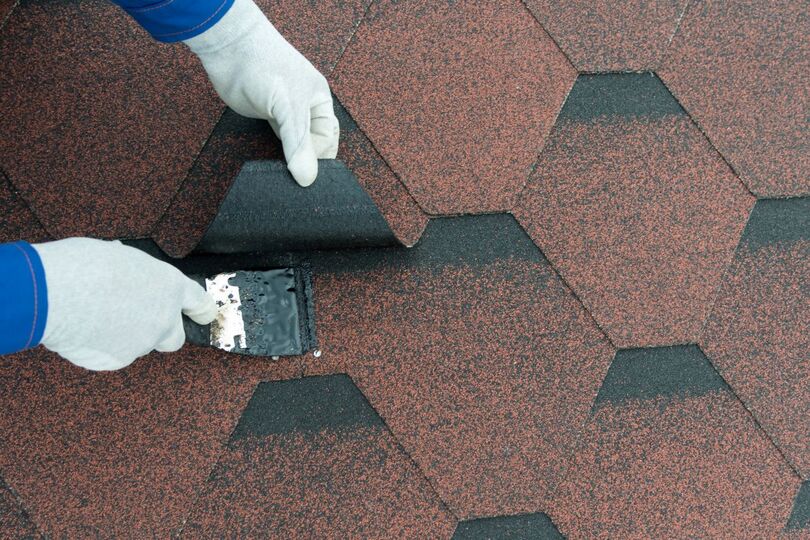
Roofing problems rarely stay small. A small leak left unchecked can spread into the attic, soak the roof deck, and eventually cause structural damage to the framing underneath, turning what should have been a simple repair into a much larger project. Making the right call early on helps you avoid costly repairs down the road, and it protects your budget, your home’s resale value, and your peace of mind during the next big storm.
The typical lifespan of an asphalt shingle roof is a useful benchmark, but lifespan alone doesn’t tell the whole story. A twelve-year-old current roof with a single storm-damaged section is a very different situation than a twenty-two-year-old roof with curling shingles across every slope, and understanding that difference is what keeps homeowners from overspending or underestimating a problem. When the answer isn’t obvious, a trusted roofing contractor can usually tell within minutes which direction makes more sense.
Not every roofing issue requires the same level of intervention, and figuring out which category yours falls into usually comes down to a handful of observable clues. Below are six of the most common factors that roofing professionals weigh when deciding whether a repair will hold up or a full replacement makes more sense.
Most asphalt shingle roofs generally last between twenty and thirty years depending on installation quality and local weather exposure. If an aging roof is approaching or has passed that range, even a well-executed repair may only buy you a short amount of time before another issue pops up nearby.
A good rule of thumb is that localized damage affecting a small percentage of the roof area is usually repairable, while widespread damage across multiple sections often points toward replacing the whole roof. Trying to patch too many isolated spots can end up costing nearly as much as replacing the entire roof, without the benefit of a fresh warranty.
Shingles that are missing granules, curling at the edges, or visibly cracked are signs that the material itself is breaking down rather than suffering from a one-time event. A few shingles lifting after a single storm is one thing, but damaged shingles spread across most of the roof usually signal that replacement will serve you better long term than repeated repairs.
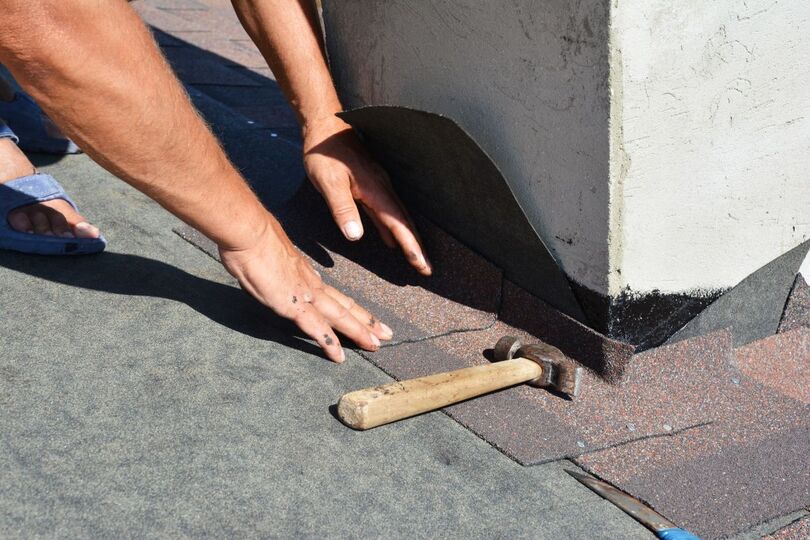
Interior water stains on ceilings or walls are one of the clearest signs something is wrong above. Roof leaks near a chimney, skylight, or pipe boots can often be repaired directly at the source, especially when the moisture barrier underneath is still intact. Multiple leaks appearing in different rooms, however, usually mean the underlayment has failed in more than one place.
Wisconsin weather can be tough on roofing materials, and hail or wind damage doesn’t always look dramatic from the ground. A trained eye can spot bruised shingles, lifted edges, or widespread granule loss in the gutters that homeowners often miss entirely. This is also where insurance claim assistance becomes valuable, since documenting storm damage properly can make the difference between an approved claim and a denied one.
A visibly sagging roofline is one of the few signs that almost always points toward a complete roof replacement rather than repair. Sagging usually means the decking underneath has absorbed moisture over time and is no longer structurally sound, which points to structural issues that repair work alone cannot fix. This is also the type of issue best confirmed by a professional rather than diagnosed from the ground, since the underlying cause isn’t always obvious from a visual check alone.
Working through these six factors gives most homeowners a fairly clear picture of where their roof stands. When the signs point in different directions, or when more than one of these factors applies at once, that’s usually the moment to bring in a professional for a closer look rather than guessing.
A thorough inspection is what turns guesswork into a confident decision, and it’s often the step homeowners skip because they assume it will be expensive or time-consuming. In reality, a complimentary roof inspection can usually be scheduled quickly, often the same day a homeowner reaches out, and it gives you a clear, documented picture of exactly what’s going on above your head.
A tech-forward, owner-operated approach to this process means the inspection findings, photos, and recommendations are communicated clearly rather than buried in technical jargon. Homeowners in West Bend and surrounding areas often find that once they see the photo documentation and understand the reasoning, the repair-or-replace decision becomes far less stressful than they expected. Catching minor damage early, even something as small as aesthetic wear on a few shingles, is often the most cost effective way to avoid additional repairs later on.
Beyond the physical condition of the roof, replacement cost and coverage often play the deciding role in which direction many homeowners choose to go. A quick cost comparison of the two options laid out side by side usually makes the final call much easier.
| Factor | Repair | Full Replacement |
| Typical timeline | A single day in most cases | One to two days for most residential roofs |
| Best suited for | Isolated, recent damage | Widespread wear, aging materials, or storm damage |
| Warranty coverage | Limited to the repaired section | Full manufacturer and workmanship warranty coverage |
| Long-term value | Lower upfront cost | Resets the roof’s lifespan and protects resale value |
Warranty coverage is worth paying close attention to here. A full replacement using new roofing materials like CertainTeed shingles can come backed by manufacturer warranties alongside a workmanship warranty on the installation itself, giving homeowners protection that a patch repair simply can’t match. For an aging roof already nearing the end of its roof’s life, frequent repairs rarely make financial sense compared to an entire roof replacement once you tally up the repair costs over a year or two, though a partial replacement can sometimes be the right middle ground if the damage is contained to one section. For those weighing the cost up front, financing options are also available through a trusted roofing company, which can help you save money by spreading out the expense of getting your roof replaced. If a claim is involved, insurance assistance that includes documenting damage and working directly with the adjuster can also help cover repairs, since much of the cost may be covered.

Homeowners in West Bend and surrounding areas often have a few recurring questions once they start weighing their options. Here are answers to some of the most common ones.
If the damage is limited to a small, specific area, such as a single section of missing shingles or one active leak, and the rest of the roof is in good condition, a repair is often the right call.
Yes. If a roof needs multiple repairs across different areas, the combined cost can approach or exceed what a full replacement would cost, especially once you factor in the fresh warranty that comes with a new roof.
It depends on your policy and the cause of the damage. Storm and hail damage are commonly covered, which is why proper documentation during an inspection matters so much when filing a claim.
Most residential roof replacements are completed in one to two days, depending on the size of the home and the complexity of the roofline.
It depends on the severity of the issue. Active leaks or storm damage should be addressed as soon as possible to prevent further interior damage, while cosmetic wear can sometimes wait for better weather.
Whether your roof needs a targeted repair or a full replacement, the most important step is getting an honest, documented assessment before you spend a dollar. True North Roofing brings a tech-forward, owner-operated approach to every inspection, walking homeowners through exactly what we find and why we recommend the path we do. If you’re unsure which category your roof falls into, contact us today and we’ll help you make the decision with confidence instead of guesswork.