Financing Options
 Call Us
Hail damage, high winds, and falling branches can hurt a roof in…

 9 Minute Read
 Posted 9.8.26
9 Minute Read
Posted 9.8.26
Most homeowners never think about their roof’s age until a leak forces the question, but knowing the answer ahead of time can save you from an unpleasant surprise. How long does a roof last depends heavily on the material overhead, and Wisconsin’s mix of heavy snow, freeze-thaw cycles, and summer heat can shorten or extend that timeline further. For homeowners in Slinger and surrounding areas, understanding where your roof falls on that timeline makes it much easier to plan ahead rather than react once something starts going wrong overhead.
Here’s what this article breaks down for you:

A roof is one of the largest investments in any home, and knowing roughly how many years it has left changes how you plan for everything from budgeting to selling the property or planning a future roofing project. Homeowners who track their roof’s age tend to catch small problems early, avoid emergency replacements, and get more accurate quotes when it’s finally time for new materials.
According to research from Bob Vila, lifespan varies dramatically by material, with some options lasting twice as long as others despite similar upfront costs. That range is exactly why it helps to know which material sits on your roof and roughly how old it is, rather than guessing based on when the house was built or when the last owner mentioned a repair.
Not all roofing materials age the same way, and the difference between a twenty-year roof and a fifty-year roof often comes down to what was installed rather than how well it was maintained. Below is a breakdown of the materials most commonly seen on homes and businesses in Wisconsin, along with realistic lifespan expectations for each.
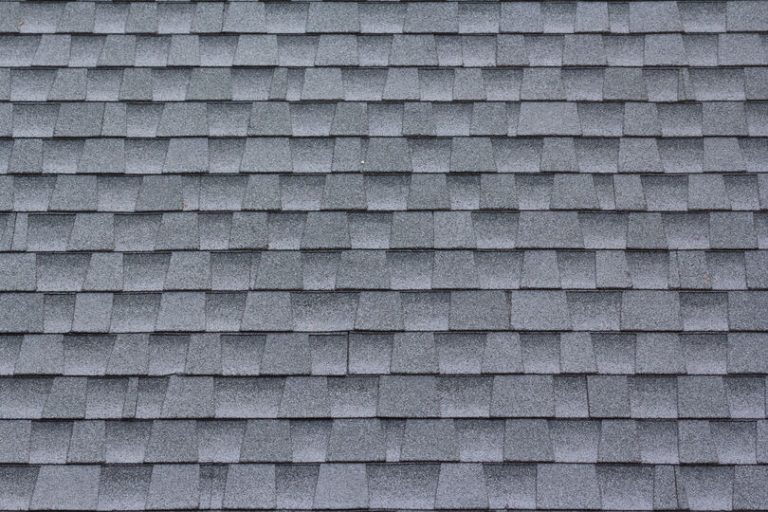
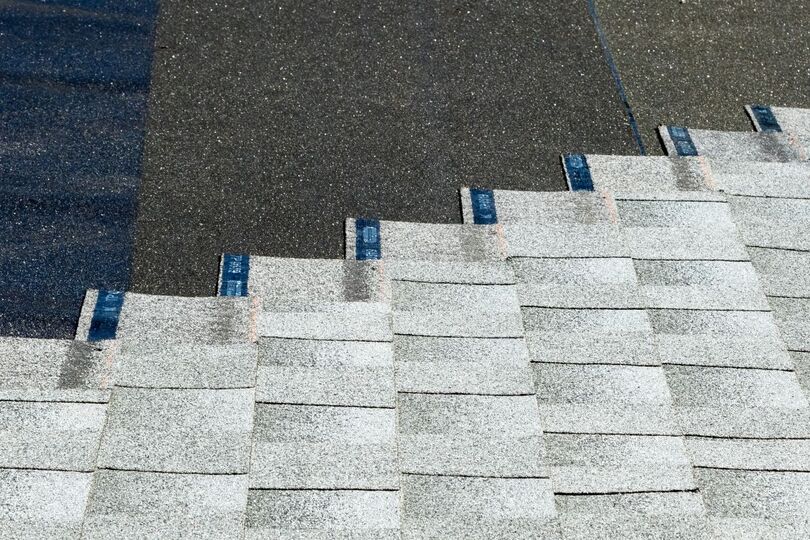
Asphalt shingles remain the most common roofing material on residential homes, largely because they balance affordability with decent durability in most climates. A well-installed asphalt shingle roof, such as one using CertainTeed products, typically lasts between twenty and thirty years depending on shingle quality, attic ventilation, and sun exposure. Professional installation matters just as much as the shingles themselves, since even premium roof shingles can underperform if flashing and fasteners aren’t installed correctly.
Standing seam metal roofing has become increasingly popular for homeowners who want a longer-term investment rather than a roof they’ll replace two or three times over the life of the house. Panels from manufacturers like McElroy and Union Corrugated, often made from galvanized steel, can last anywhere from forty to seventy years, making metal a cost effective option for both residential and commercial buildings despite the higher upfront price.
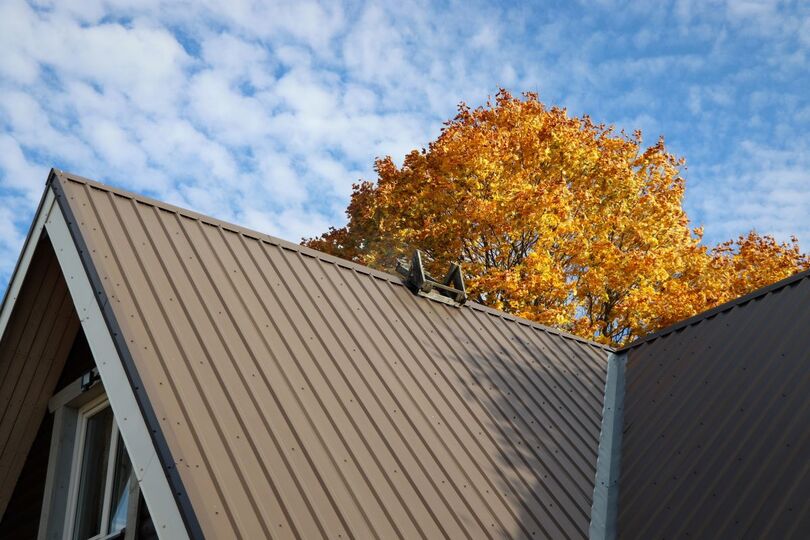
Stone-coated steel roofing, such as Decra products, combines the appearance of traditional shingles or tile with the underlying strength of steel. This material typically holds up for fifty years or more, and its impact resistance makes it a strong choice for areas that see frequent hail or heavy wind, which is a real consideration for homes throughout Wisconsin.
Flat and low-slope commercial roofs rely on membrane systems rather than shingles, and materials from manufacturers like JM and Mulehide are common choices for these applications. Properly installed membrane roofing generally lasts twenty to thirty-five years, though drainage design and regular maintenance play a bigger role here than on a sloped residential roof.
The materials underneath your visible roofing play a bigger role in overall lifespan than most homeowners realize. A quality underlayment, such as titanium synthetic underlayment, adds an extra moisture barrier that protects the roof deck even if just the top layer is compromised during a storm, helping prevent water infiltration before it reaches the insulation below. Proper attic ventilation works alongside that underlayment to trap less moisture and heat, both of which can quietly age shingles and other materials from below.
Homeowners researching options beyond what’s covered above will also come across a few premium materials worth knowing. Synthetic or composite shingles typically last thirty to fifty years, wood shingles or shakes generally hold up for twenty to forty years, and clay or concrete tiles can last fifty to one hundred years. Slate is often considered the gold standard of the industry, with a life expectancy that can stretch to one hundred fifty years when installed correctly. Choosing the right material upfront makes a measurable difference, but installation quality and ongoing maintenance still determine whether a roof hits the low end or high end of its expected range.
Two roofs made from the exact same material can age at very different rates depending on the conditions they’re exposed to and how they were installed. Wisconsin’s climate adds a few key factors that homeowners in other parts of the country rarely need to think about.
These factors explain why two similar homes in Slinger and surrounding areas can end up with very different roof lifespans even when they started with the same shingles. Severe weather, including high winds and heavy rainfall, can also accelerate wear and tear on an already aging roof, which is one more reason routine upkeep matters as much as the material itself.
Knowing the expected lifespan of your roofing material is useful, but it’s the visible signs that ultimately confirm whether replacement is approaching. Watching for these changes over time gives homeowners a much clearer picture than simply counting years since installation.
| Sign | What It Usually Means |
| Curling or cupping shingles | Material is drying out and losing flexibility |
| Granules collecting in gutters | Indicates asphalt shingles are wearing out |
| Daylight through roof boards | Suggests structural failure in the decking |
| Sagging roofline | Indicates structural issues that require replacement |
| Missing or damaged shingles | Leaves the roof deck exposed to water infiltration |
| Dark streaks or moss growth | Trapped moisture and algae growth, common in wet climates |
None of these signs alone mean an immediate replacement is required, but seeing two or more at once is usually a strong indicator that a professional roof inspection is worth scheduling sooner rather than later. Waiting too long on a leaking roof or missing shingles often turns ordinary wear and tear into structural damage and costly repairs. Most roofing professionals recommend having a roof inspected every three to four years, or sooner after severe weather, so small issues get caught before they cause water damage inside the home. Homeowners in Slinger and surrounding areas who catch these signs early typically have more options and lower costs than those who wait until the roof needs to be replaced outright.
Homeowners often have similar questions once they start looking into their own roof’s age and expected lifespan. Here are answers to some of the most common ones.
Most asphalt shingle roofs in Wisconsin last between twenty and thirty years, while metal and stone-coated steel options can last well beyond fifty years, which is a helpful starting point for figuring out when it’s time to replace yours.
Darker shingles absorb more of the sun’s heat, which can slightly accelerate wear in hot summer months, though the difference is usually minor compared to factors like ventilation and installation quality.
Yes. Regular gutter cleaning, prompt repair of minor damage, and trimming nearby trees to reduce debris and overhanging branches can all add years before a roof needs to be replaced.
A professional roof inspection is the most reliable way to tell, since both can cause similar-looking leaks but require very different repairs.
For many homeowners planning to stay in their home long term, metal roofing’s extended lifespan and lower maintenance needs make it a cost effective choice for a new roof compared to repeated shingle replacements over the years.
Understanding how long a roof lasts is only useful once you know where your own roof falls on that timeline, and that’s where a trained eye makes all the difference. True North Roofing offers complimentary inspections that give homeowners a clear, documented picture of their roof’s condition, whether that means a few more years of life or it’s time to start planning for replacement. If you’re unsure how much time your roof has left, contact us today and we’ll help you find out with confidence.